
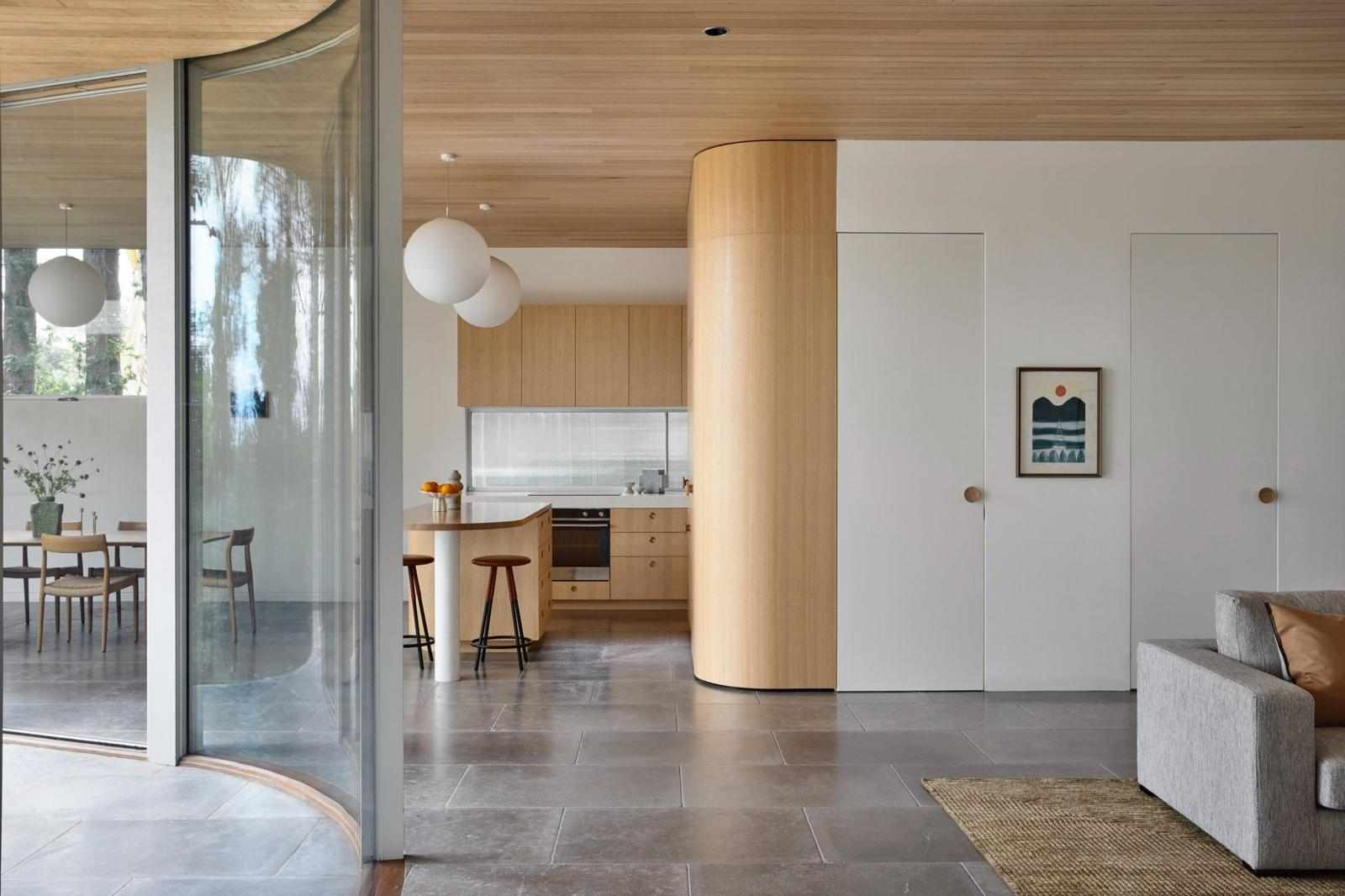
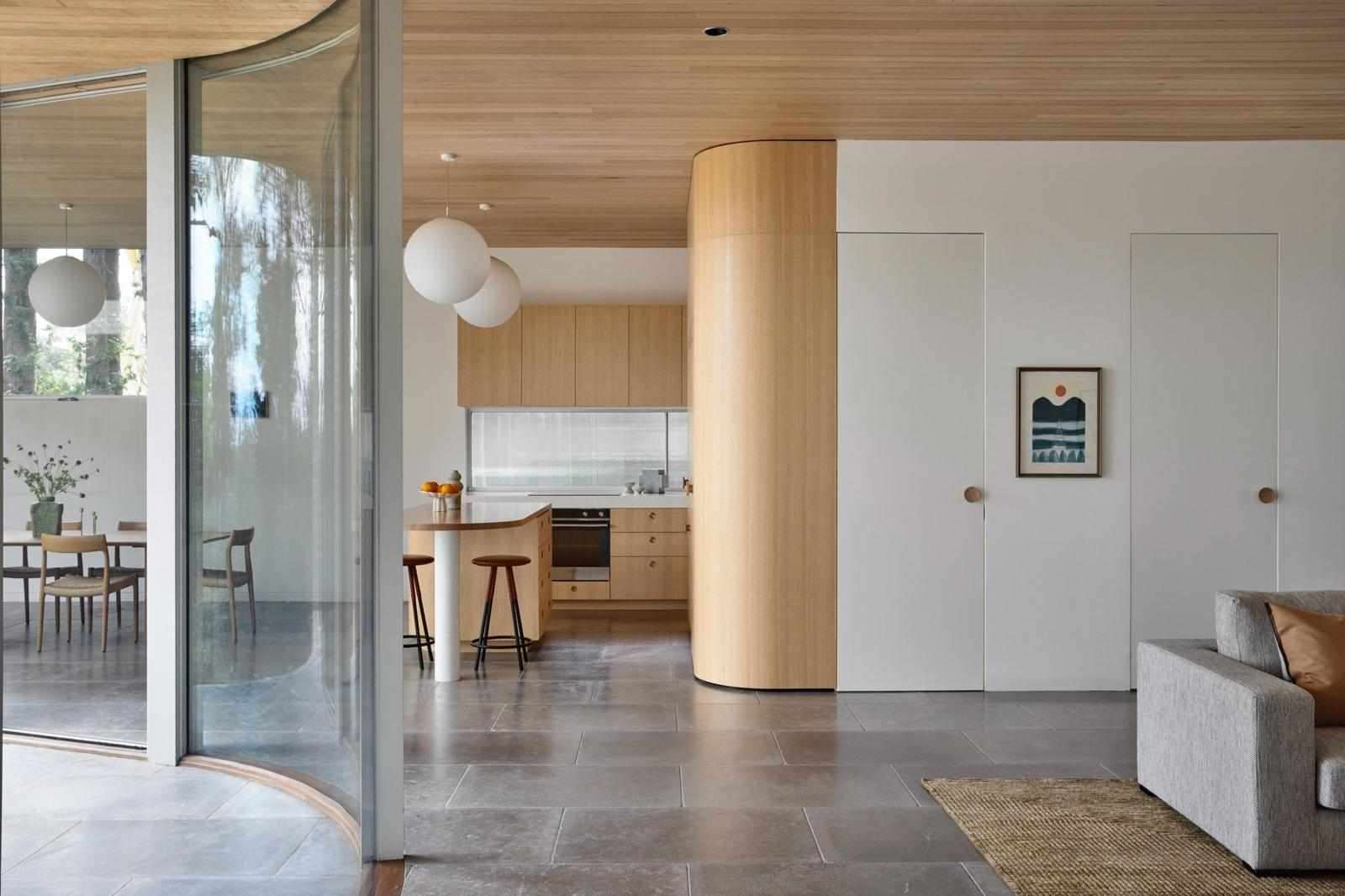
The demand for smarter, greener, and more efficient living is growing rapidly, and nowhere is this more evident than in the rising popularity of Sustainable Homes Victoria. Homeowners are increasingly seeking designs that not only minimize their environmental footprint but also create healthier, more comfortable living spaces. With a strong emphasis on reducing energy use, integrating renewable materials, and designing for the future, these homes represent a new standard for modern Australian living.
But what does it actually mean to live in a sustainable home, and how are architects bringing these ideas to life? Let’s explore the innovations, philosophies, and real-world examples reshaping the housing landscape across Victoria.
The Philosophy Behind Sustainable Living
At its core, sustainability in housing is about balance — meeting today’s needs without compromising the ability of future generations to meet theirs. In the context of housing, this translates into homes that consume less energy, use resources responsibly, and contribute positively to the local environment.
Designers of sustainable homes consider far more than just aesthetics. They think about solar orientation, cross-ventilation, water harvesting, and insulation. They prioritize building materials that are responsibly sourced and durable. They also look at how homes interact with their surrounding environment — ensuring a design that enhances, rather than disrupts, the local landscape.
Smart Design for Smarter Living
Good design has the power to dramatically reduce the long-term running costs of a home. Passive solar design, for example, maximizes natural light and warmth in winter while minimizing heat gain in summer. This reduces dependence on artificial heating and cooling, lowering energy bills and cutting carbon emissions.
Adding features like double-glazed windows, high-performance insulation, and shading devices can transform an average house into a high-performing home that naturally maintains a comfortable temperature throughout the year. Water-wise landscaping and rainwater harvesting systems also play a vital role, ensuring that resources are conserved and reused where possible.
The Role of Richmond Architects in Urban Sustainability
Sustainability isn’t only a consideration for suburban or rural housing projects. In the heart of Melbourne, Richmond Architects are demonstrating how even dense, urban environments can embrace green principles.
Through clever design solutions, they are helping families enjoy energy-efficient homes without sacrificing convenience or lifestyle. Rooftop gardens, recycled materials, and innovative space utilization are just some of the ways urban dwellers are enjoying the benefits of sustainable living. These projects prove that no matter where you live, sustainability can be a central design philosophy.
Off Grid House: The Ultimate Expression of Sustainability
While many sustainable homes aim to reduce reliance on traditional utilities, the Off grid house takes things a step further by eliminating the need altogether. These homes generate their own electricity through solar panels, manage their own water through collection and filtration, and often incorporate waste treatment systems on-site.
Living in an off-grid house offers unmatched independence and resilience. It’s not just about escaping utility bills; it’s about creating a home that is fully self-sufficient, future-proof, and deeply connected to its environment. For many, this represents the pinnacle of sustainable living — a lifestyle that prioritizes freedom and environmental stewardship in equal measure.
Community and Culture: Architects Fitzroy Leading the Way
Sustainability isn’t limited to technology and materials; it’s also about community. In inner-city Melbourne, Architects Fitzroy are exploring how architecture can foster stronger connections between people while reducing environmental impact.
Shared spaces, co-housing models, and adaptive reuse of older buildings are just a few examples. By transforming existing structures rather than demolishing them, these architects preserve cultural heritage while reducing the carbon footprint associated with new construction. In doing so, they create vibrant communities where people can live more sustainably together.
Why the Future Belongs to Sustainable Homes
The push for sustainability is not a fleeting trend. With climate change, rising energy costs, and increased awareness about environmental responsibility, sustainable housing is becoming the default expectation for new developments. In fact, governments are steadily raising the bar with stricter energy efficiency standards and incentives for greener building practices.
For homeowners, the benefits are twofold: financial savings in the long term and the peace of mind that comes with reducing one’s impact on the planet. From suburban families to city dwellers and those seeking self-sufficiency, sustainable homes provide practical, beautiful, and responsible solutions for modern living.
Conclusion
The movement toward Sustainable Homes Victoria is more than just a design trend — it’s a cultural shift toward responsible, future-focused living. Urban communities are evolving through projects by Richmond Architects, rural innovation is thriving with the Off grid house, and socially driven design is advancing with Architects Fitzroy. Together, these approaches show that sustainability is not just possible — it’s essential.
If you’re ready to explore how your home can reflect these values, turning vision into reality starts with the right team. Zen Architects Pty Ltd has been leading this change, offering expertise that combines design excellence with sustainable innovation to create homes that truly stand the test of time.


Write a comment ...